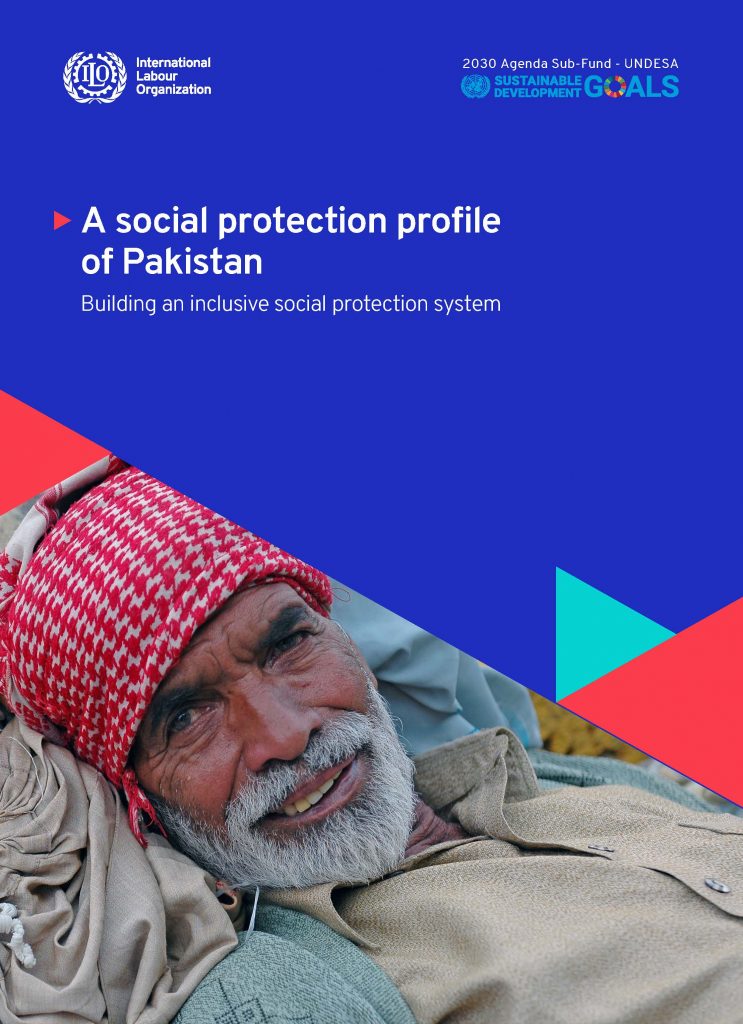
“A social protection profile of Pakistan” is a publication by International Labour Organization (ILO) based on their study to highlight gaps and good practices in Pakistan’s social protection system, and to develop actionable recommendations for making the system more effective and inclusive.
The document is a handbook jointly published by the Joint United Nations Programme on HIV/AIDS (UNAIDS) and the Office of the United Nations High Commissioner for Human Rights (OHCHR). It provides guidance to National Human Rights Institutions on how to integrate HIV
“Policy Brief on the Legal Framework for Child Marriage in Pakistan” is a publication issued by the National Commission on the Rights of Child (NCRC), which discusses Pakistan international human rights legal framework, national and provincial legal framework and case-laws. The Policy
“Conspicuous By Its Absence: Freedom of Religion or Belief in Pakistan” is a publication by the Human Rights Commission of Pakistan (HRCP) which provides an analysis and assessment of the state of religious freedom in Pakistan. It aims to document the ongoing
“Capacity Assessment Manual for National Human Rights Institutions” is developed by a partnership between the Asia Pacific Forum of National Human Rights Institutions, the Office of the United Nations High Commissioner for Human Rights and the United Nations Development Programme Asia Pacific
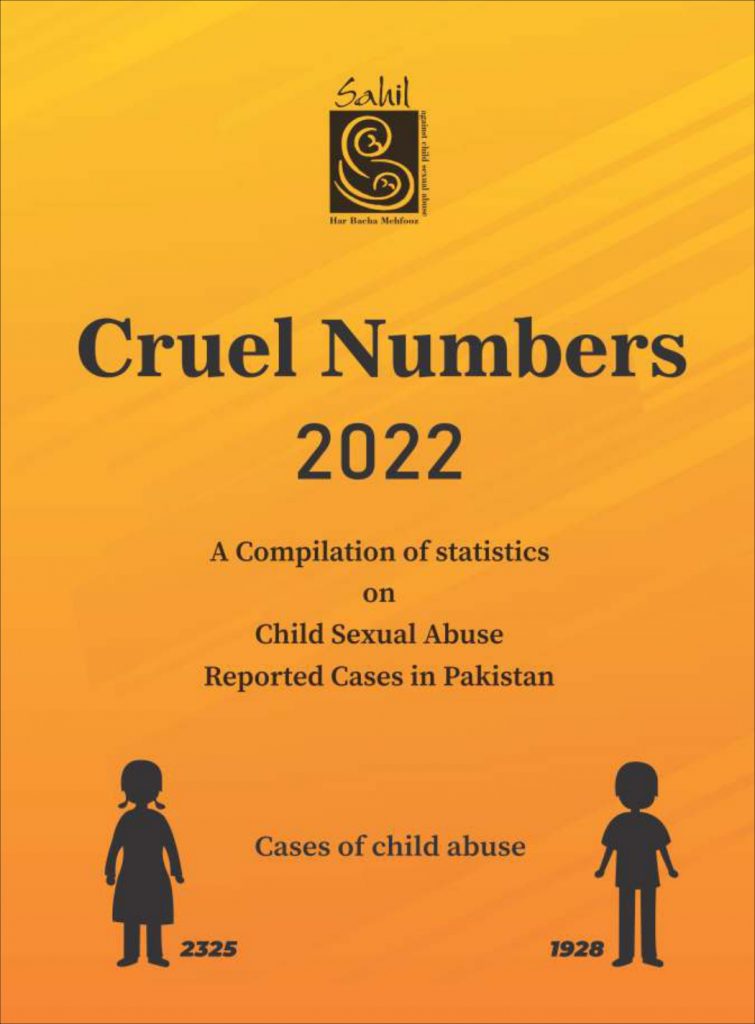
Sahil’s ‘Cruel Numbers Report 2022’ compiles statistics on child abuse cases in Pakistan. From January to December 2022, data was collected from 81 national and regional newspapers to track incidents of Child Sexual Abuse, Abduction, Missing Children, and Child Marriages. The report
This report addresses the critical issue of limited internet access for education and aims to establish a normative framework for its resolution. It report outlines a three-pronged approach to recognize, realize, and entrench the right to internet access for education. Beginning with
“Citizenship Laws of Pakistan A Critical Review” is a research paper by Syed Nadeem Farhat published in Policy Perspectives (Volume 16, No. 2) of Institute of Policy Studies Islamabad (IPS). It provides an overview of the legal framework surrounding citizenship in Pakistan,
“Exploring the experiences of the older adults who are brought to live in shelter homes in Karachi” is a qualitative study whose purpose was to explore the experiences of older adults who are brought to live in shelter homes in Karachi, Pakistan,
Mr. Arif Khan explain the types of activities that are considered offensive under the SEPT include industrial pollution, illegal dumping of waste, deforestation etc., and their penalties. These punishments can vary depending on the severity of the offense and the specific circumstances