KARACHI: In one of the major neighbourhood-level interventions since the new local government system came into place in 2023, the Karachi Metropolitan Corporation (KMC) has approved nearly Rs300 million per year —Rs100,000 per month each — for 246 union committees (UCs) to
The Sindh Assembly unanimously passed a resolution on December 9, calling upon the government to fix a uniform legal age of marriage of 18 years for both girls and boys across Pakistan, reaffirming Sindh’s leadership in protecting children’s rights and ending child
KARACHI: The Sindh government has planned to establish a cybercrime unit to combat online crimes to strengthen the province’s cybersecurity situation and provide a safer online environment to internet users. Well-placed sources told Dawn on Saturday that the proposed cybercrime unit would focus on
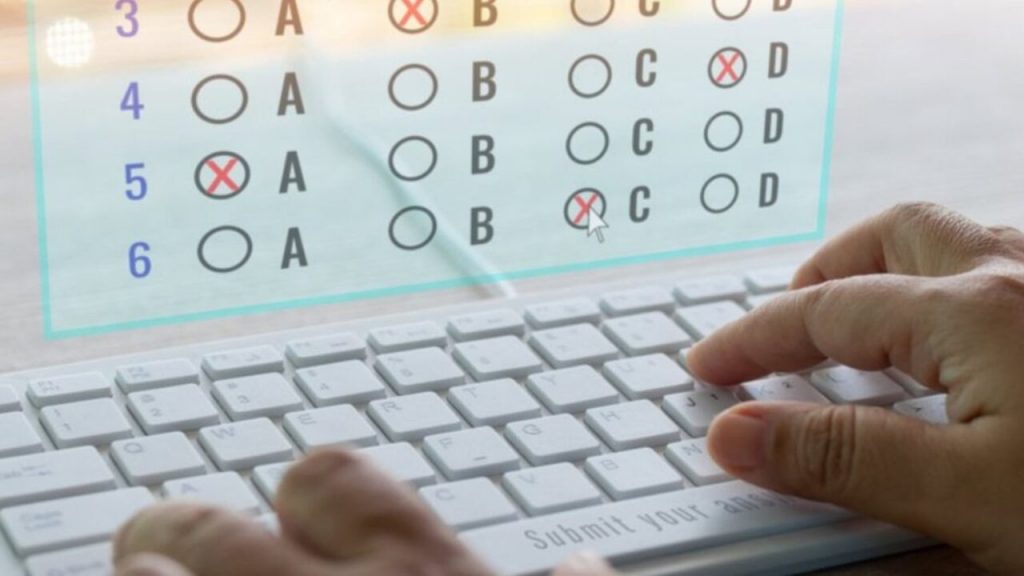
Sindh’s Minister for Universities and Boards, Ismail Rahoo, has announced that the province will formally adopt an e-marking system to ensure transparent and efficient examinations, saying the move will significantly reduce delays in the preparation of results. Speaking at a meeting of
KARACHI: Chief Minister Syed Murad Ali Shah inaugurated the School of Visual and Performing Arts building at the Arts Council on December 1 evening during the World Culture Festival. He first unveiled the plaque of the school and then went up the
KARACHI: Sindh Chief Minister Syed Murad Ali Shah on November 29 instructed the health department to accelerate work on 16 major projects, aiming to open them to the public within this financial year. Reviewing the development portfolio of fiscal year 2025-26 and progress
Sindh’s educational boards are set to recieve e-marking, scanning, and QR code software for matriculation and intermediate examinations. The official launch of e-marking system will take place on December 4 in Karachi, where heads of 29 educational boards from across the country
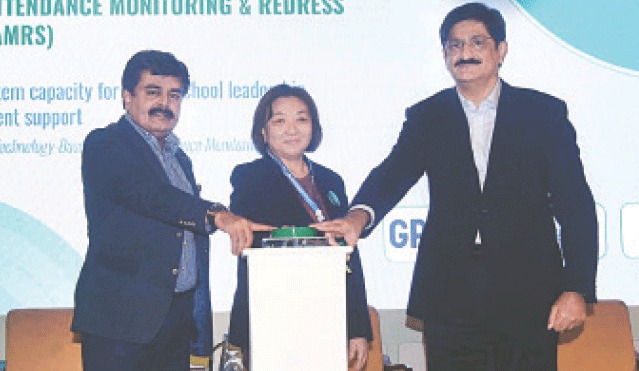
KARACHI: Sindh Chief Minister Syed Murad Ali Shah on November 6 launched the Student Attendance Monitoring and Redress System (SAMRS), describing it as a “pioneering, transformative, and nationally replicable model” that puts technology and evidence-based planning at the core of education reform.
Sindh has developed a sensor-equipped scanner stick for the first time to assist visually impaired individuals. The province is home to more than six million children with special needs and other people with physical and mental disabilities. Advanced medical technology is also
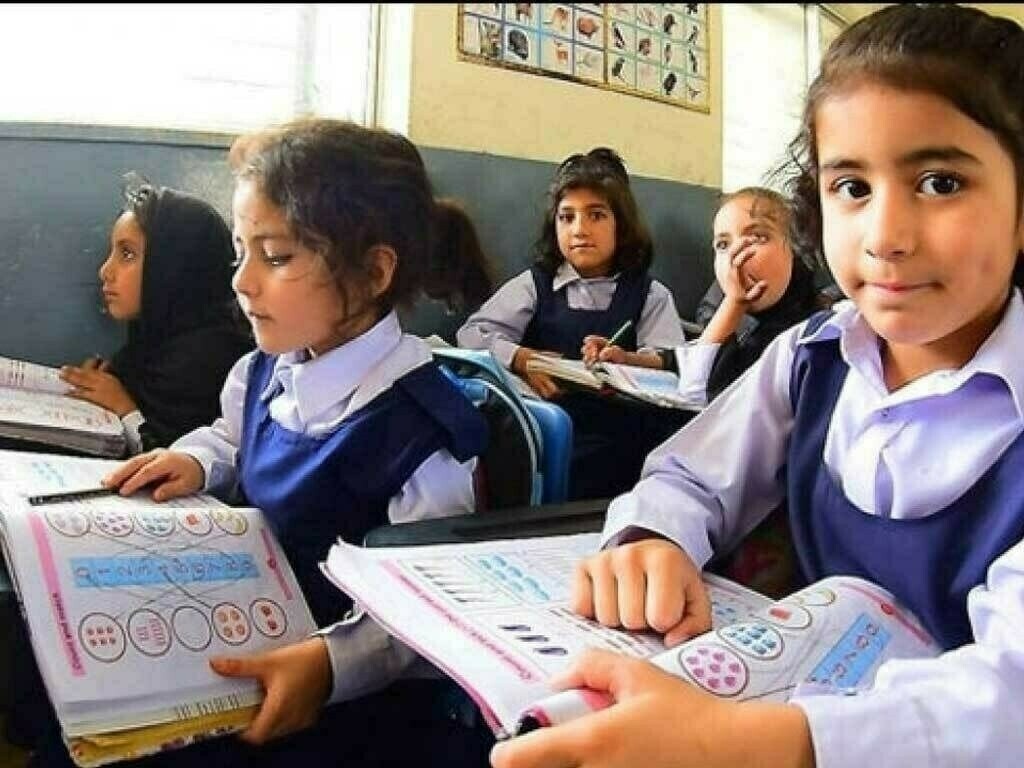
The Sindh government’s Directorate of Literacy and Non-Formal Education in collaboration with The NGO World Foundation (TNWF) organised a grand letter of understanding (LoU) signing ceremony on October 24 for the establishment of 133 non-formal education (NFE) centres in the Karachi region.