ISLAMABAD: The Sustainable Social Development Organization (SSDO) on October 31 released its latest Domestic Violence Factsheet for Sindh, highlighting low convictions despite rising reports in the first six months of the current year. The factsheet was compiled through data received via the

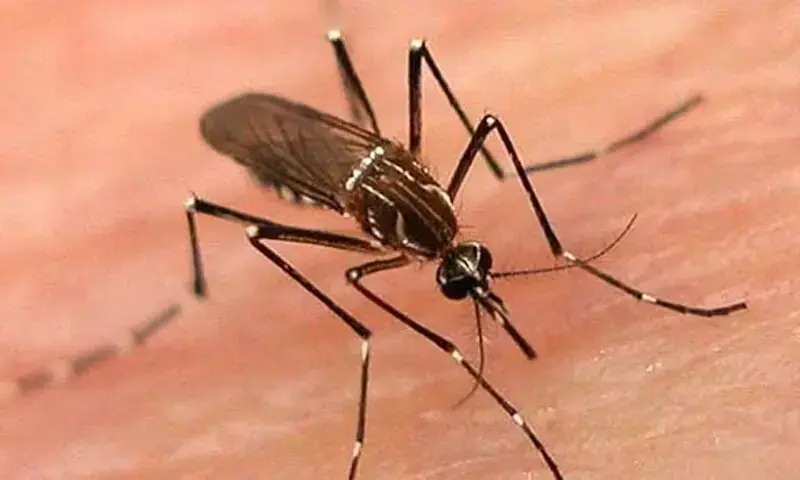
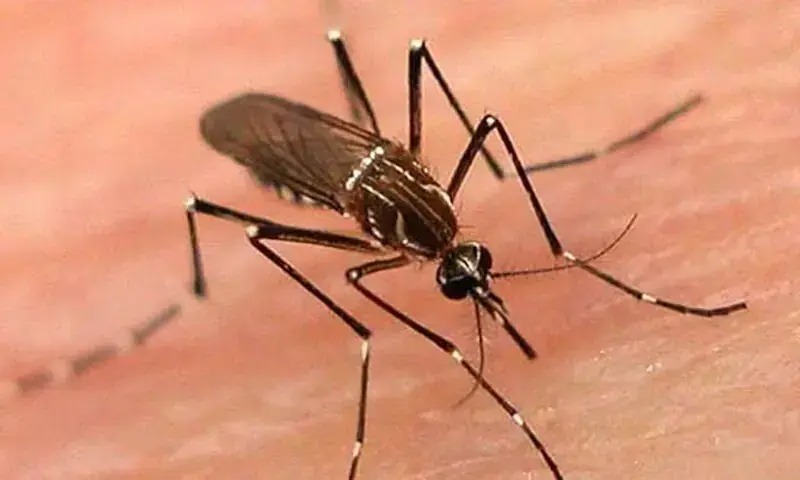
KARACHI: Cases of dengue fever are on the rise in the province with 1,558 new patients testing positive for the mosquito-borne viral infection in 24 hours, the health department’s data released on October 30 showed. According to official figures, the highest number
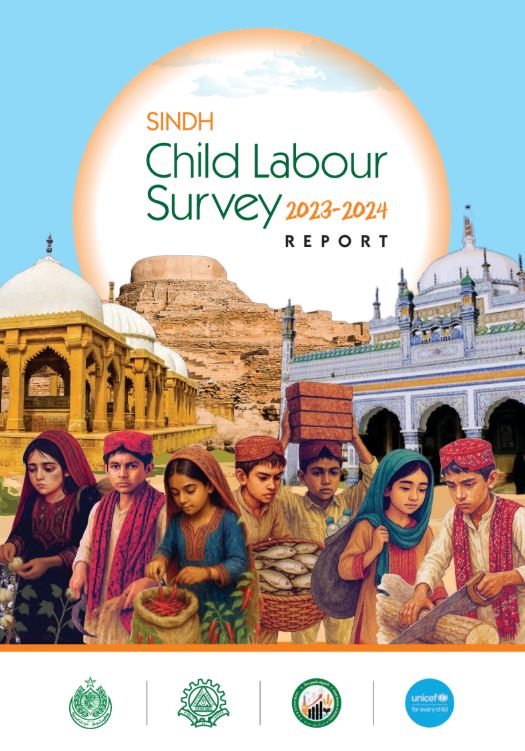
The Sindh Child Labour Survey 2022–23, based on data from nearly 57,000 households across 29 districts, provides a detailed view of children’s living conditions, schooling, and work. It finds that only two-thirds of children aged 5–17 attend school, with significant gender and
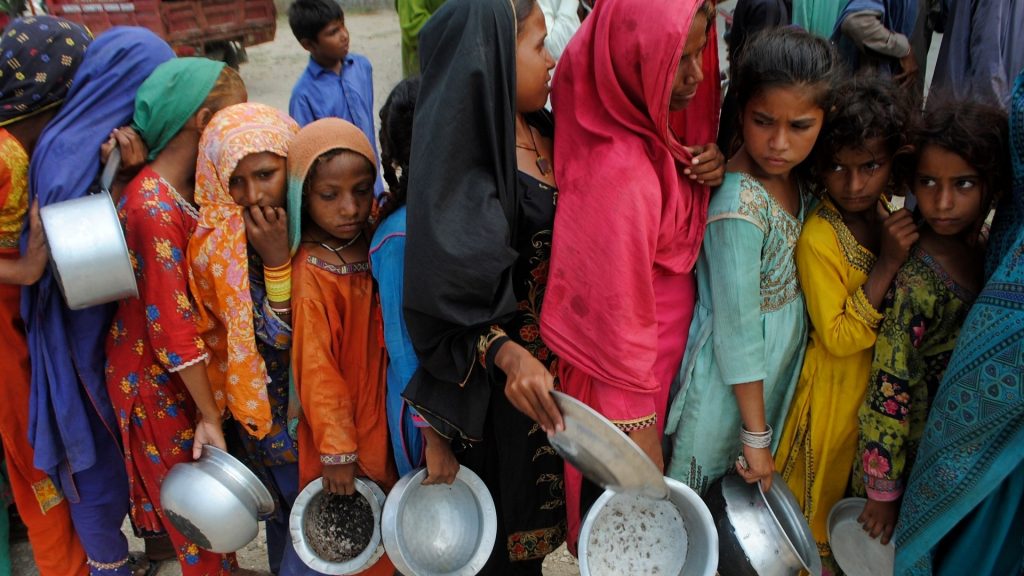
KARACHI: Experts at the “7th Karachi International Water Conference” on October 28 warned of a growing public health crisis driven by water-borne diseases and examined contamination risks, gaps in hygiene and strategies to protect vulnerable communities during and after floods. The conference
KARACHI: Expressing serious concern over growing numbers of measles’ cases these days, especially in Karachi, health experts at an event held on Tuesday urged parents to get their children protected against the highly contagious and potentially fatal viral infection — which has claimed
KARACHI: Health Minister Dr Azra Pechuho was informed on October 28 that the spread of HIV in Sindh had reached an “extremely alarming” level, with 3,995 registered HIV-positive children in the province. A high-level meeting on the alarming rise of HIV cases
The Sindh Health Department on Sunday released its latest report on confirmed dengue cases across the province, revealing that 439 new cases had so far been reported in October, bringing the total number of confirmed cases in 2025 to 1,083. Sindh Minister
Sindh Chief Secretary Syed Asif Haider Shah on October 23 chaired an emergency meeting at his office to review the province’s dengue situation and directed concerned departments to take immediate preventive and control measures against the rising number of cases. Officials said
Pakistan is losing an estimated Rs35 billion to Rs50 billion every year due to non-evidence-based prescribing and unethical marketing of medicines, a practice that is not only draining the country’s healthcare resources but also fuelling antimicrobial resistance (AMR) and eroding global trust
EVEN floods and ferocious monsoon spells could not compel the authorities to take timely precautions. Dengue has returned with a vengeance. A rusty healthcare system is clogged with patients suffering from the seasonal menace, leaving little space and staff for other emergencies.